How are our adult only touring parks and guests adapting to the need for cleaner, more sustainable solutions for energy, transportation and other resources? All our member parks are independent businesses and like everyone, they have seen a huge increase in the cost of power, fuel, vehicles and food lately – all of which are affected by ‘Net Zero’ initiatives and mandates.
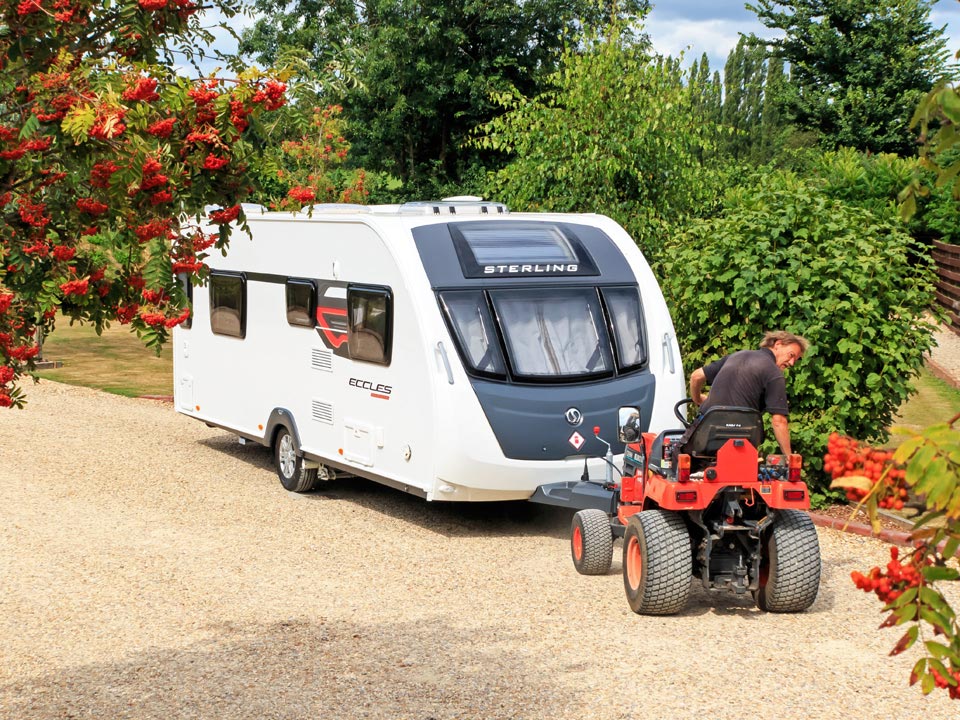
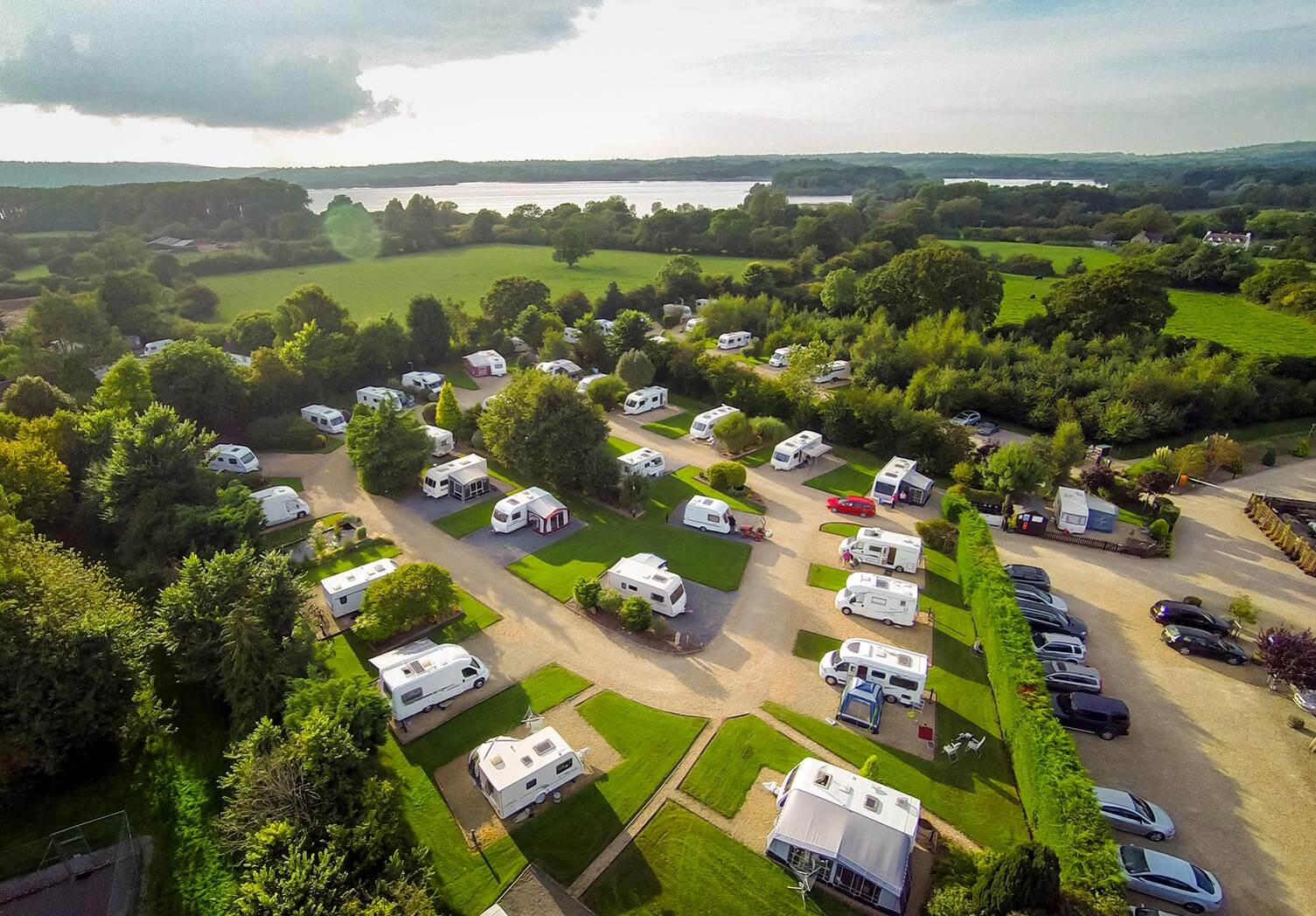
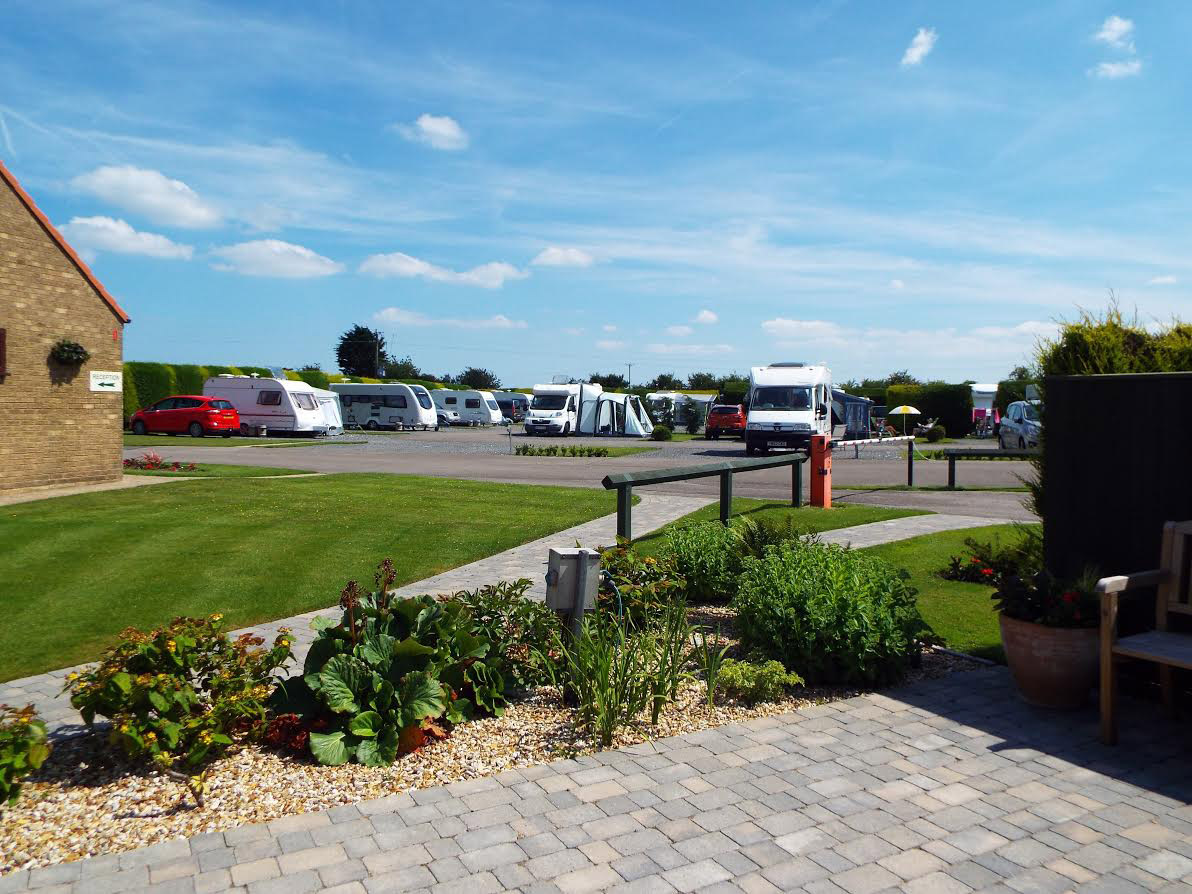
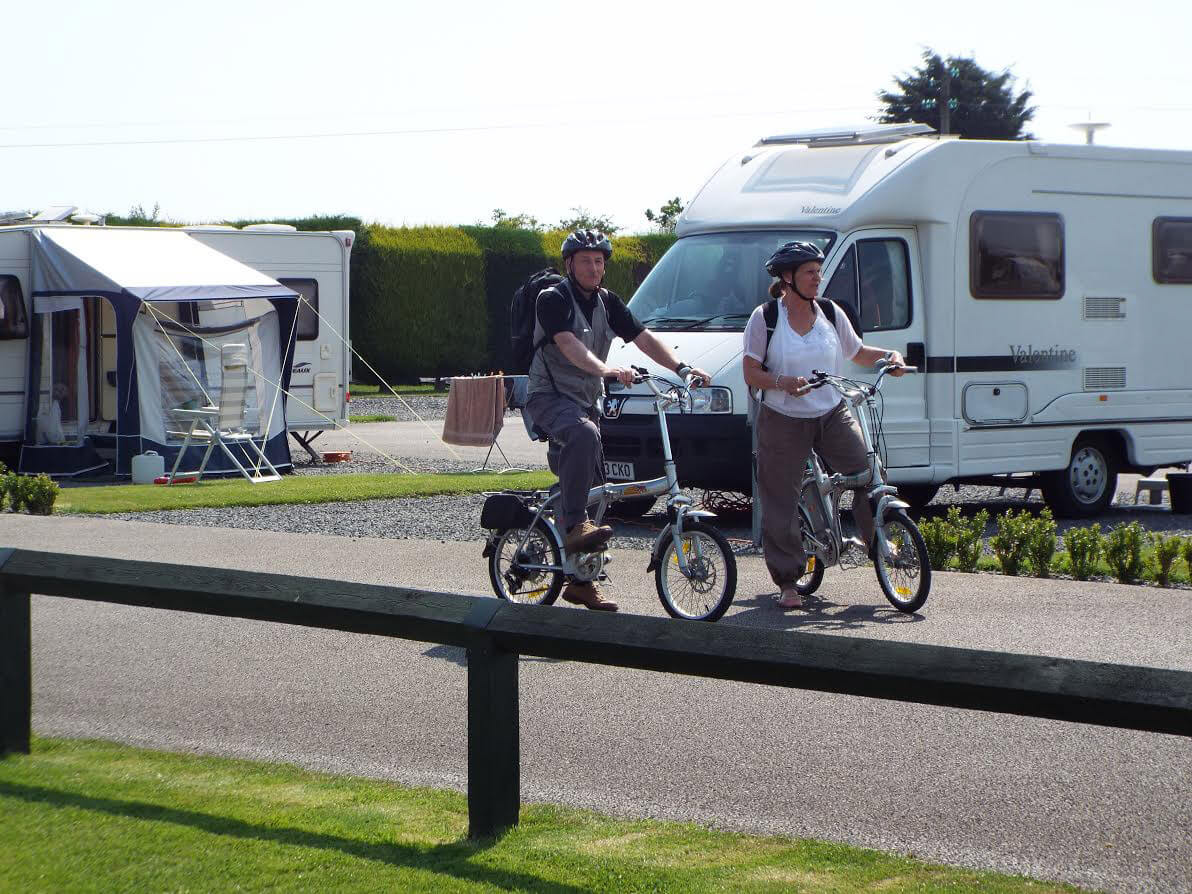
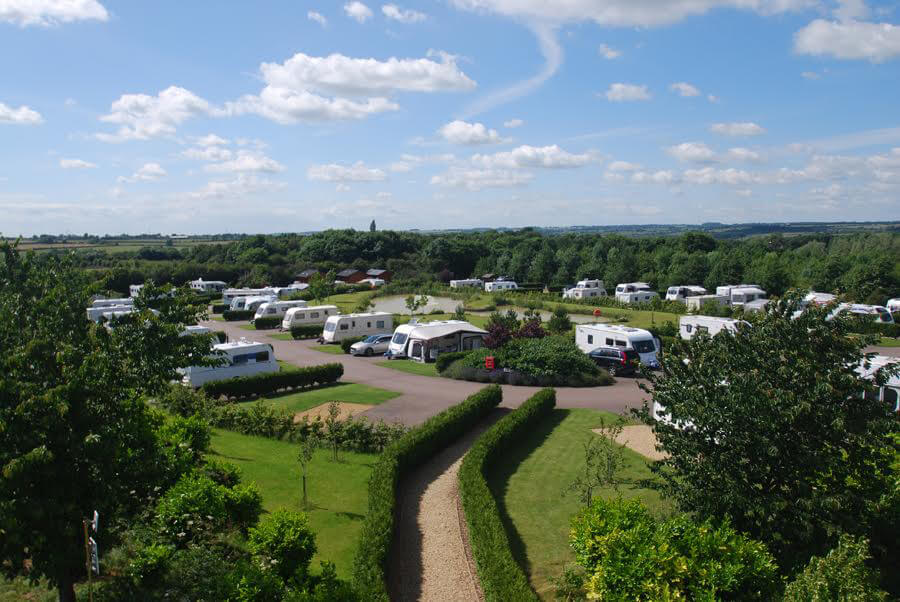
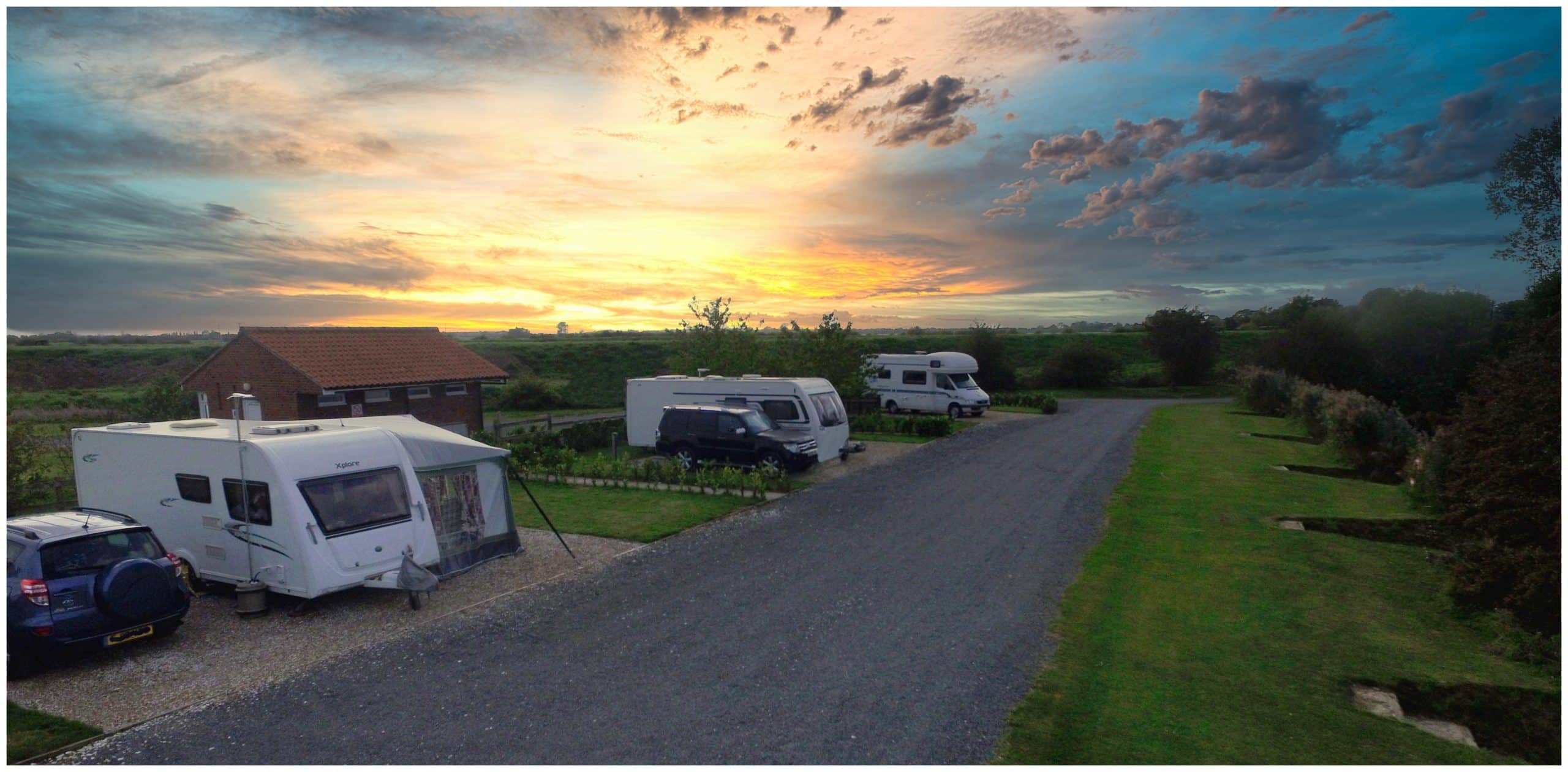
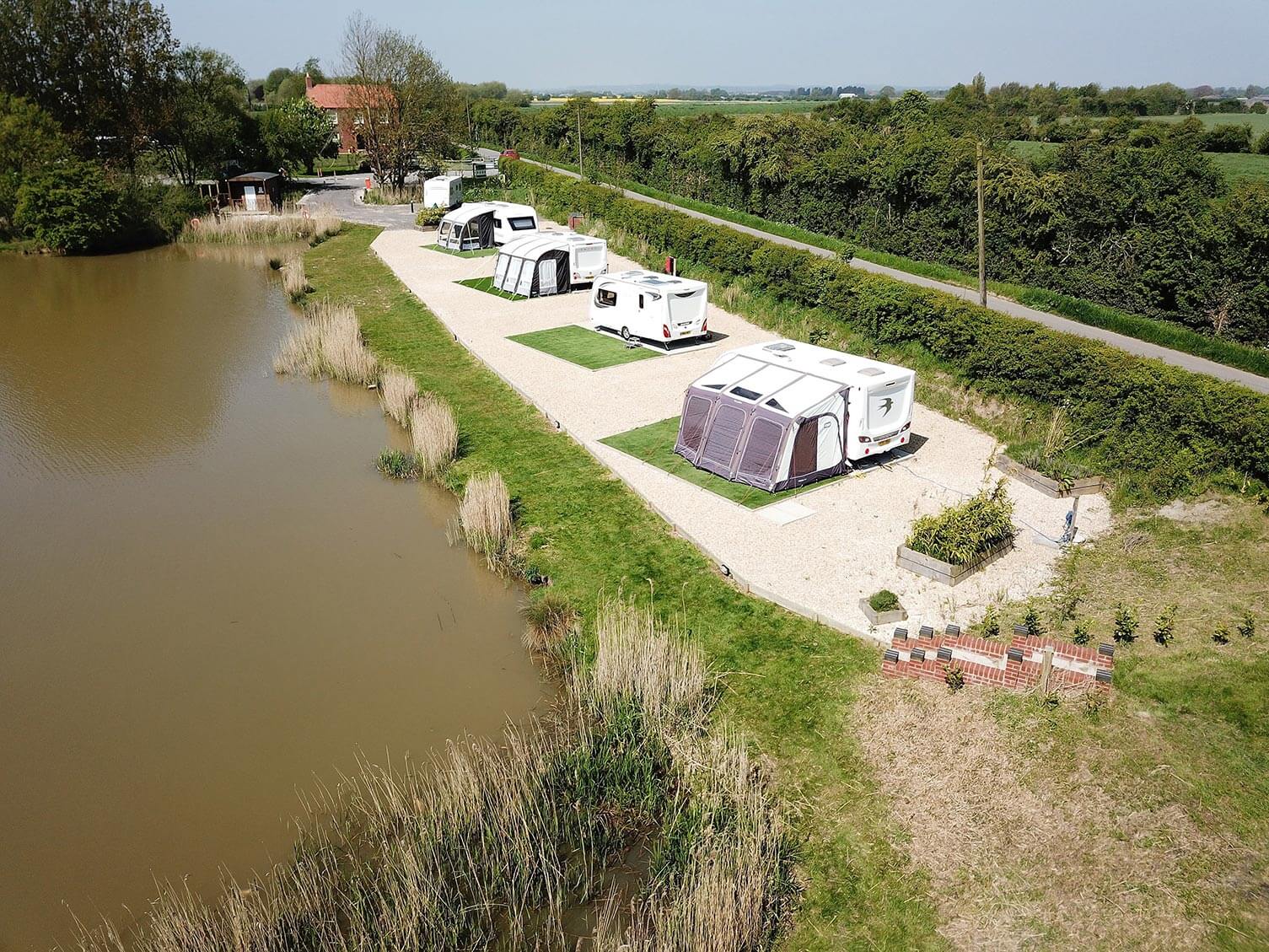
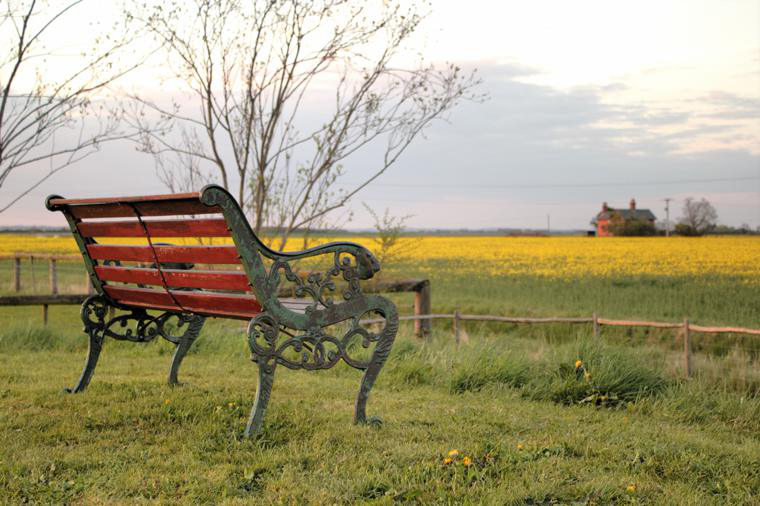
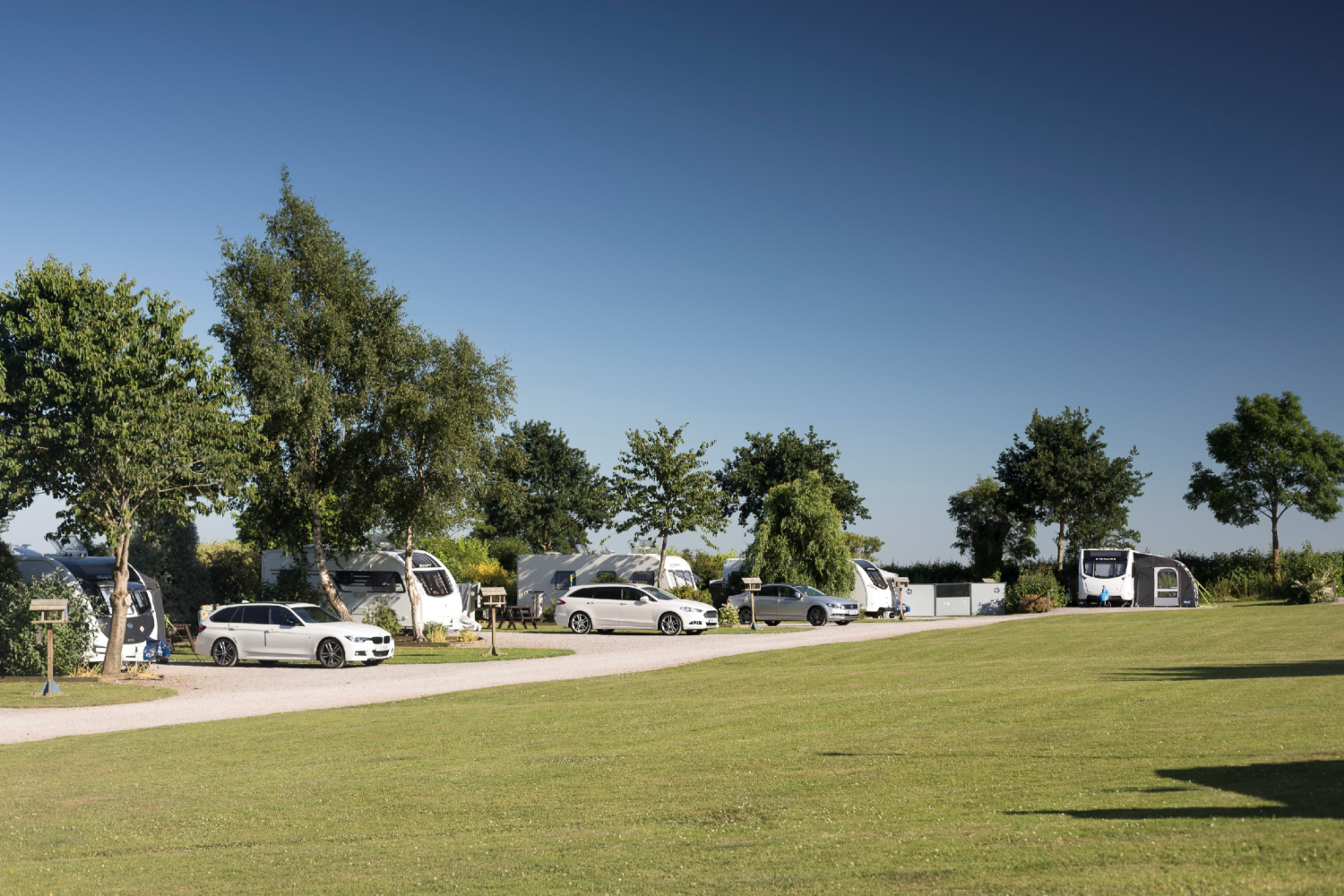
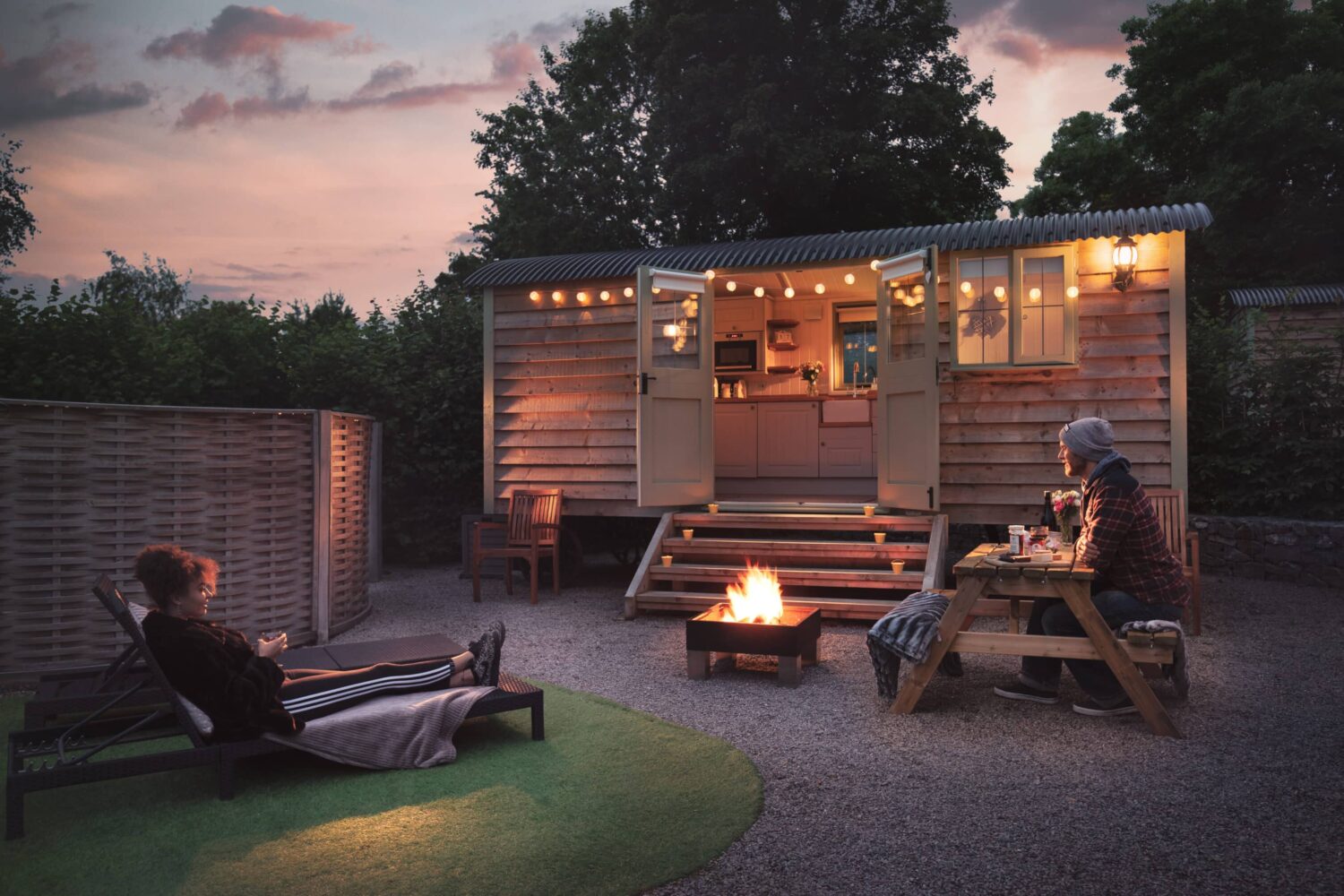
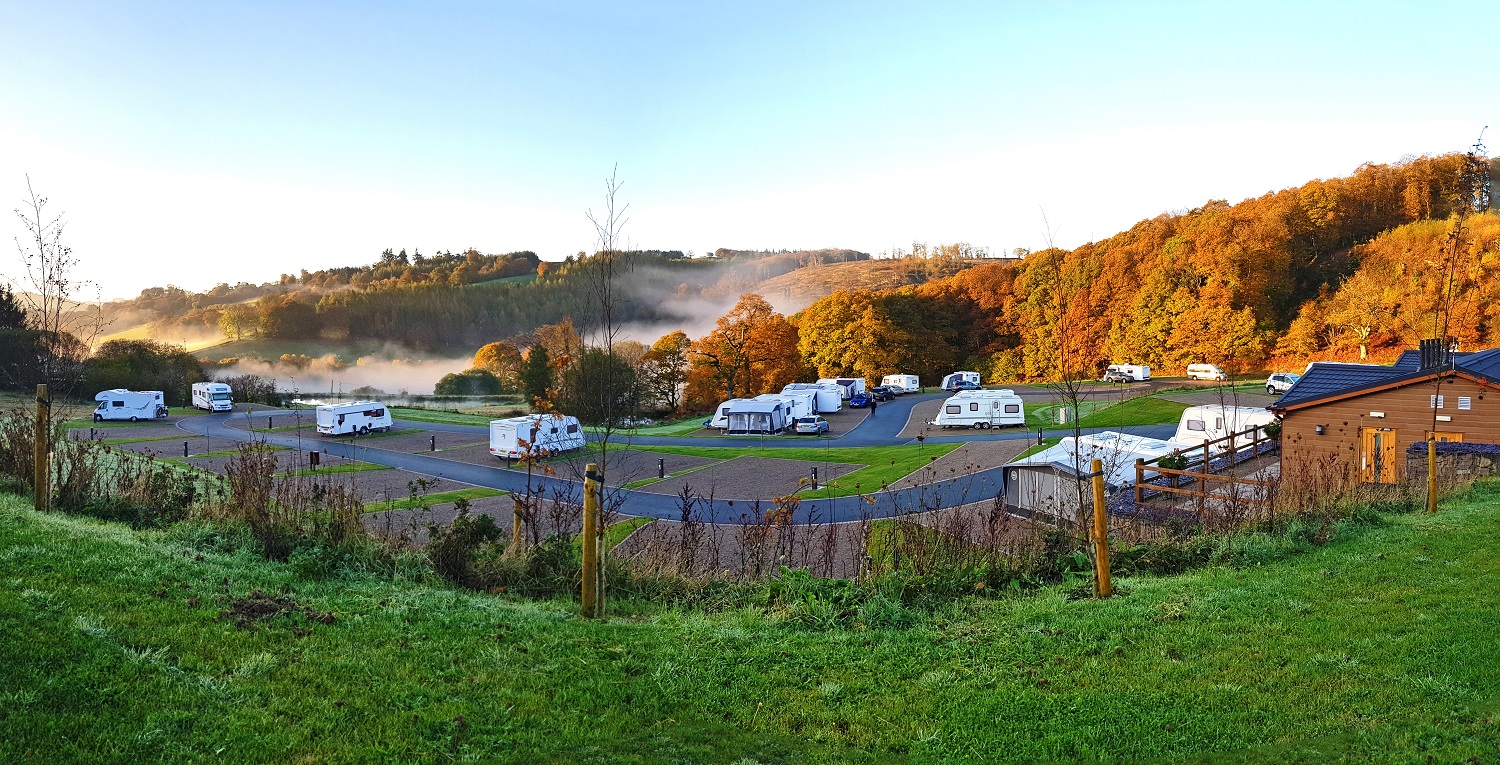
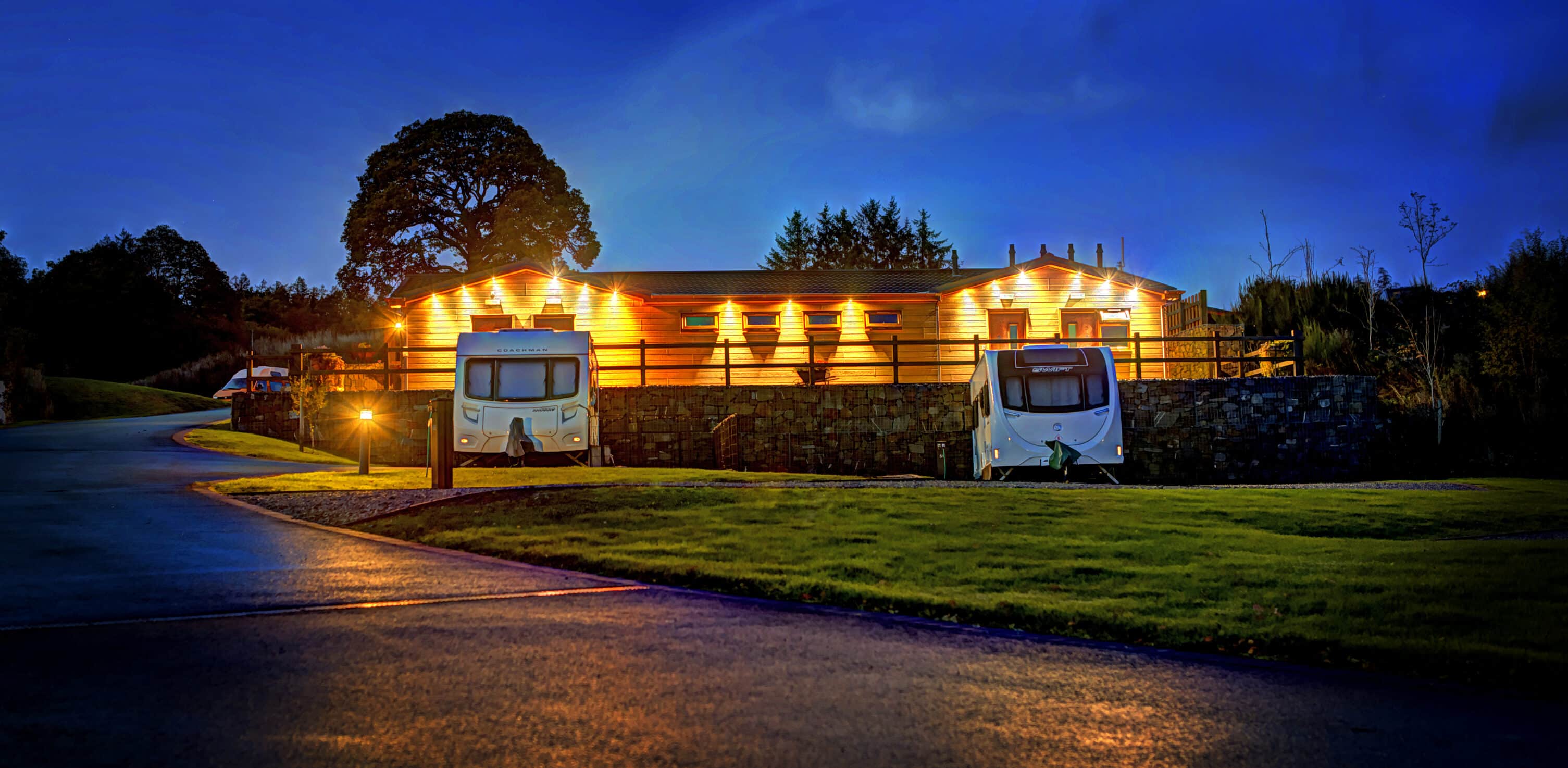
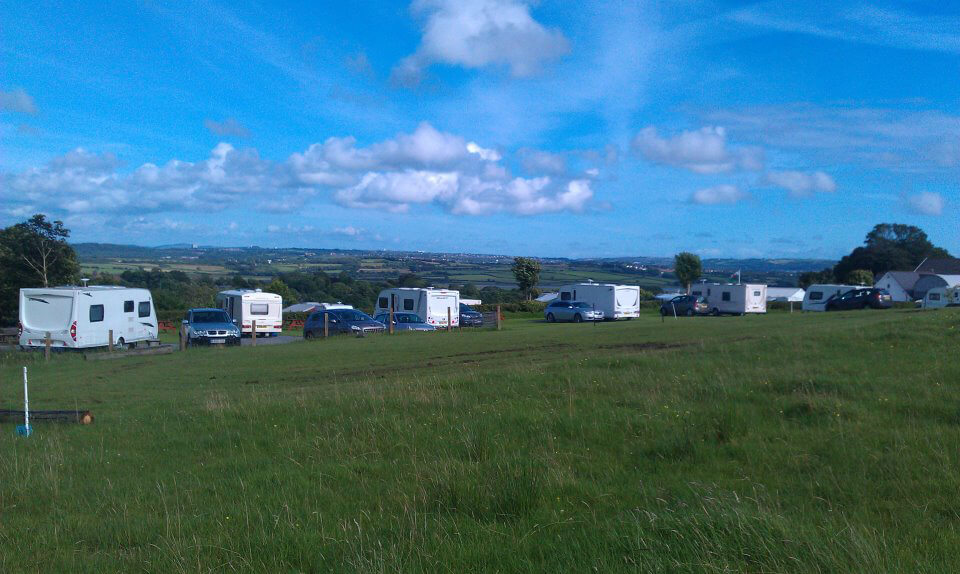
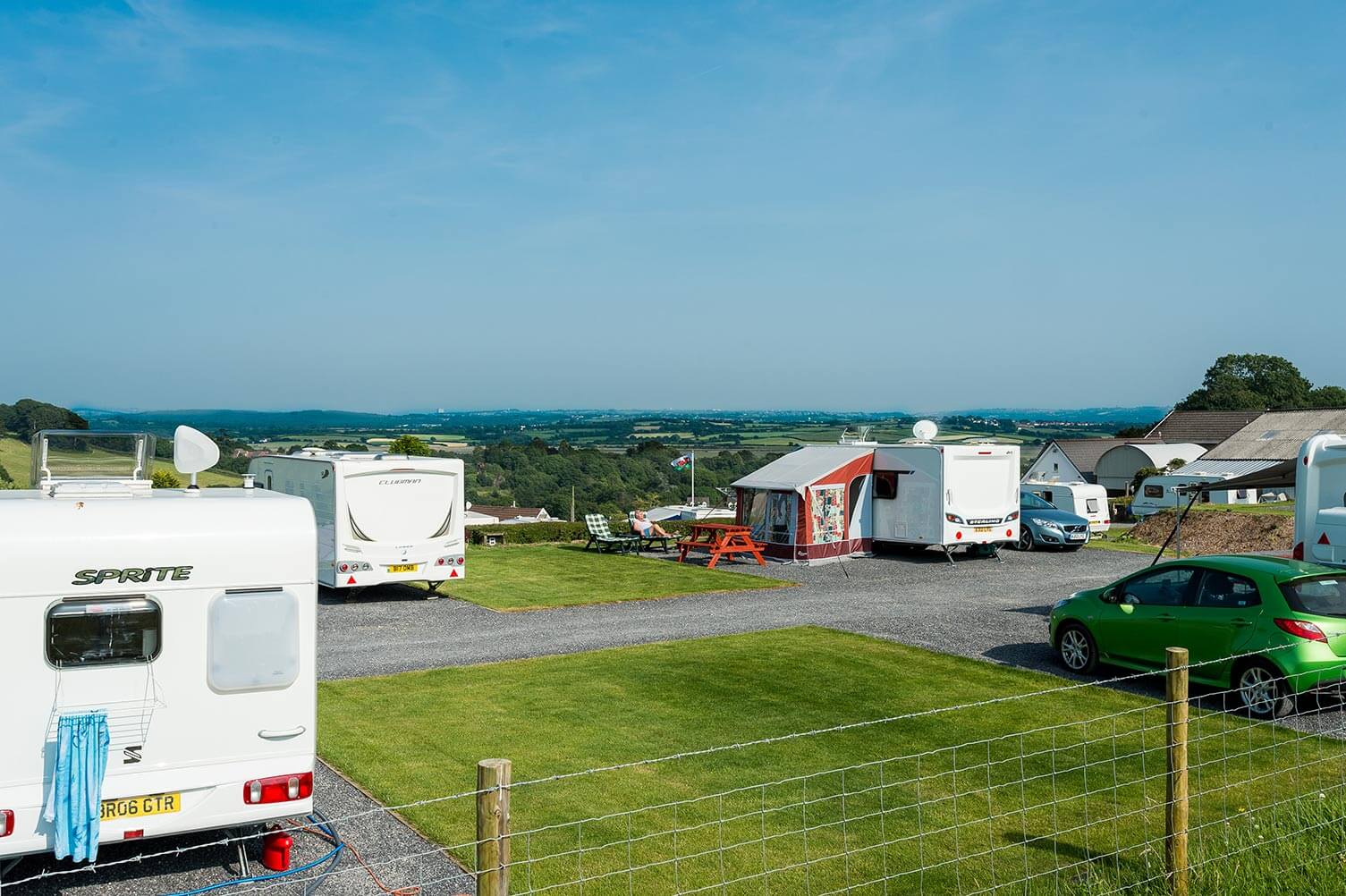
(Links to parks featured in this article are at the end. Above photo courtesy of Bath Chew Valley Caravan Park.)
The UK Government has made a commitment to reduce greenhouse gas emissions by 100% (from 1990 levels) by the year 2050. More than 130 other countries have either set or are considering the same or similar targets in an effort to limit global warming to below 2ºC.
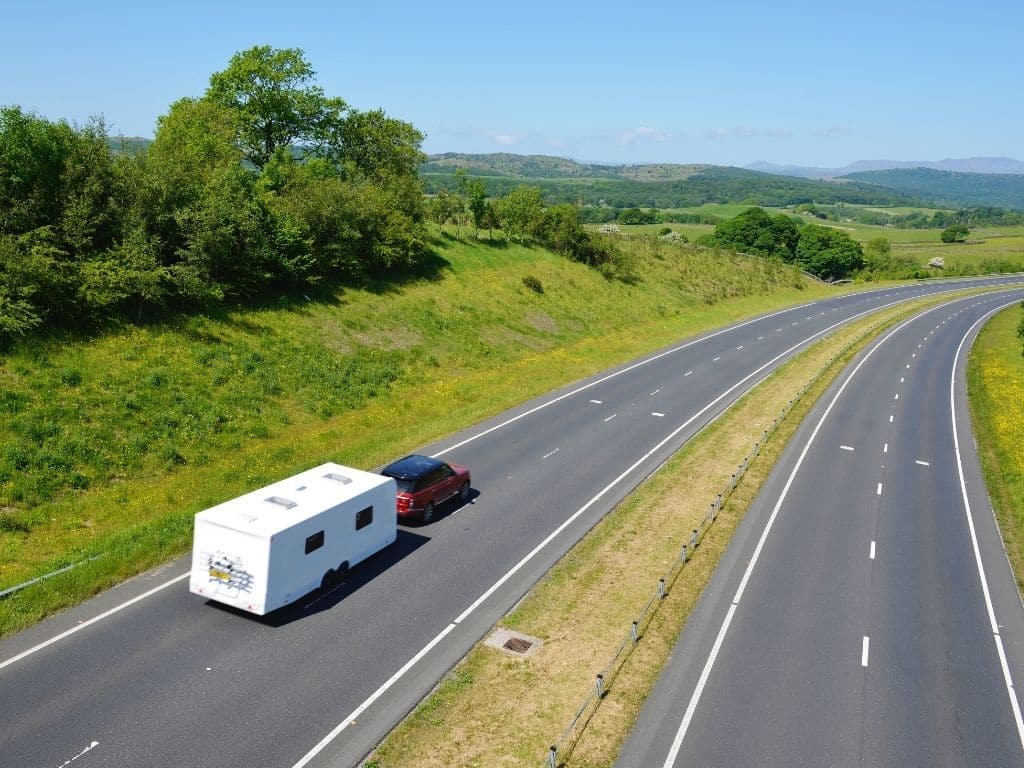
As you may know, the sale and purchase of NEW petrol and diesel cars, as well as hybrid vehicles, will be banned across the UK from 2035. Electric cars have come a long way in recent years with a number of models capable of towing caravans for long distances. We are also seeing more electric vehicle (EV) motorhomes, with some major new vehicle launches last year, as well as campervan conversions of electric vans.
While some aspects of EVs seem way behind target, particularly where commercial vehicles are concerned, the good news is that the number of public charging points is now expanding fast with around 65,000 charging points in the UK (as of July 2024).
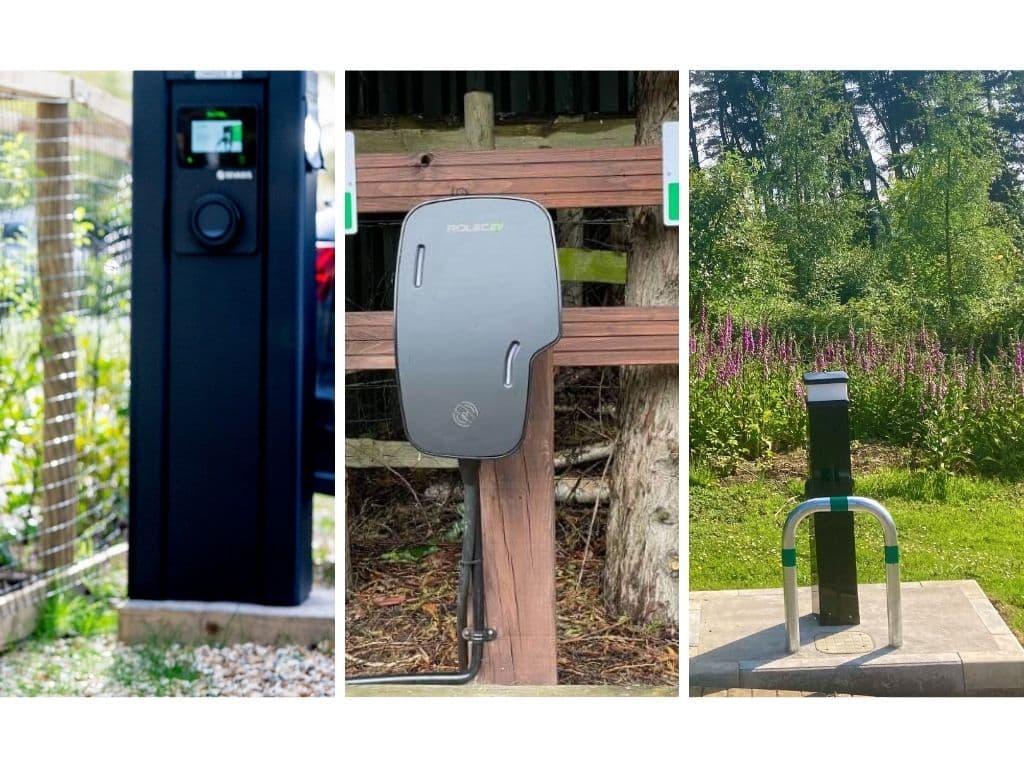
We’re therefore pleased to report that the number of touring parks with EV charging points for guests is also growing across our Tranquil Parks:
South West
Midlands
Wales
The North
Many businesses have been hit hard by the recent spike in electricity and fuel costs, giving them an added incentive to look for alternative power sources, although some parks have been using renewable energy sources for years.
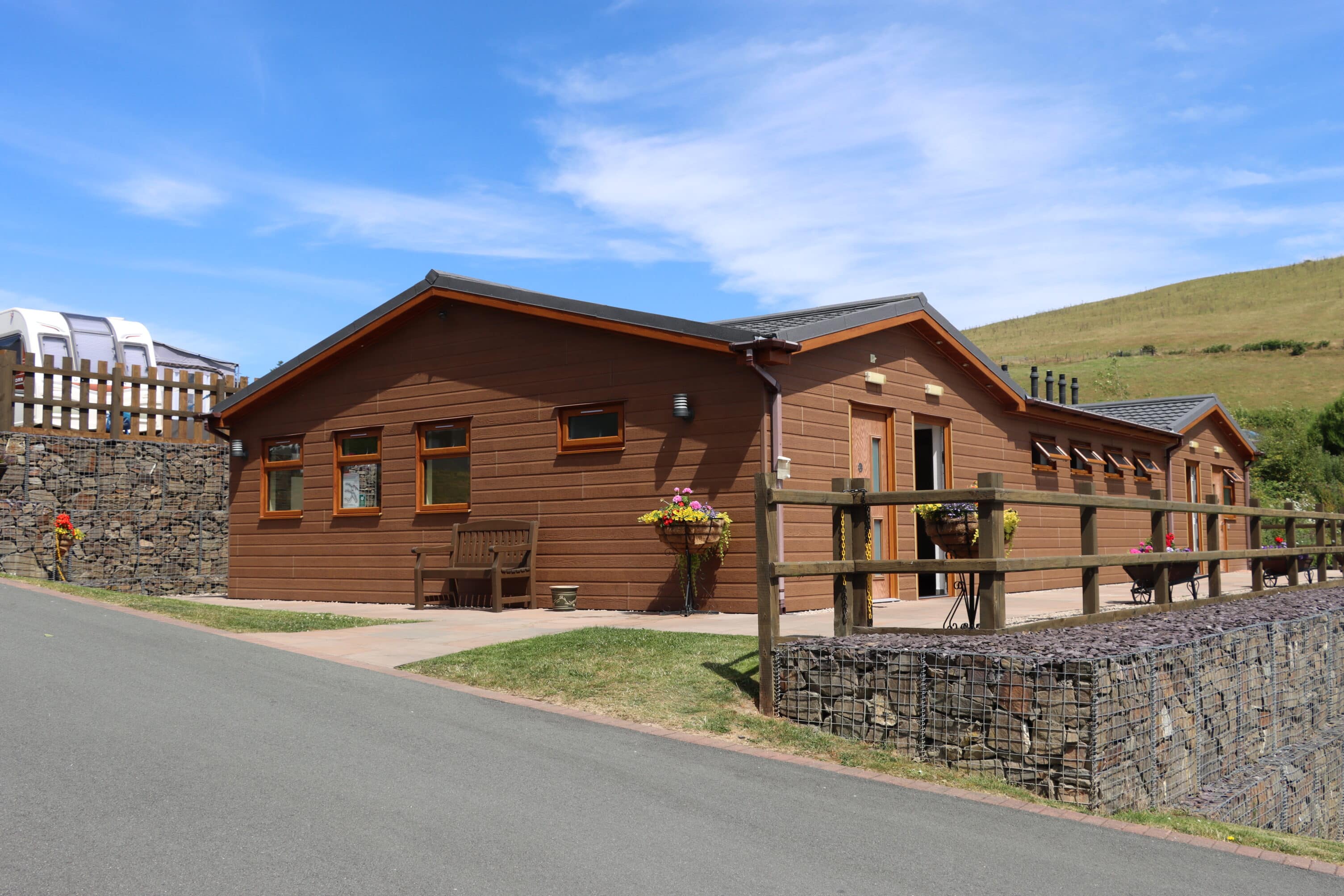
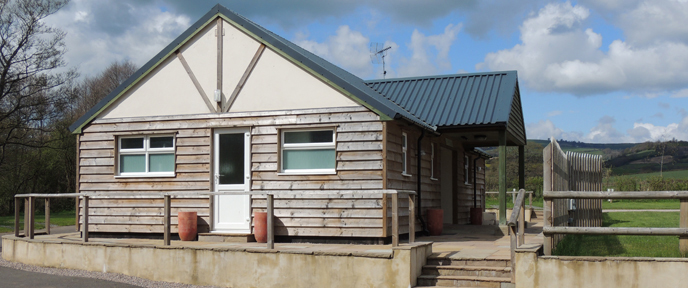
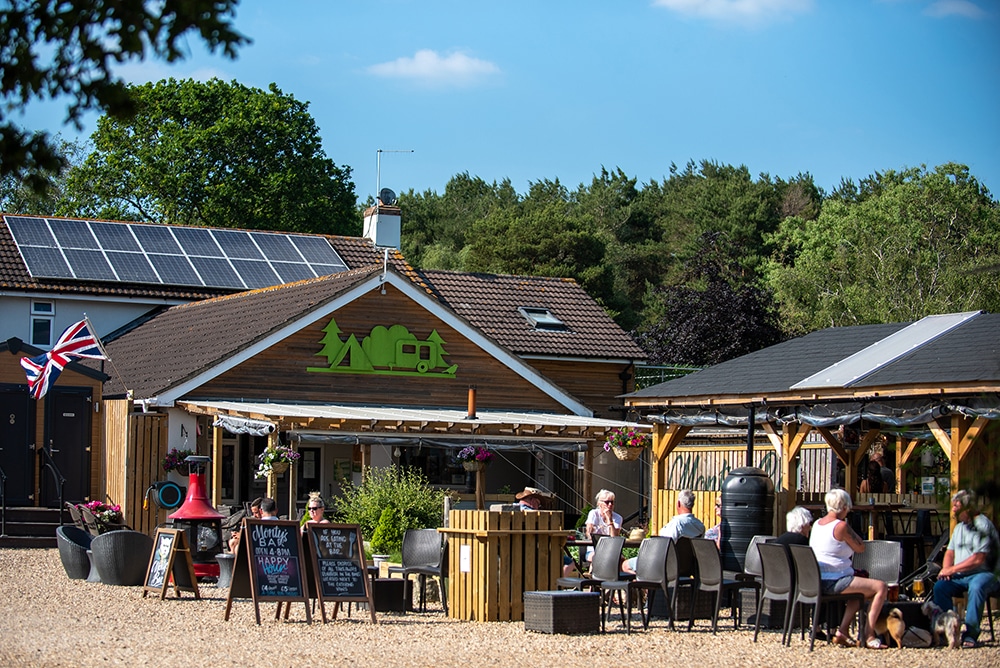
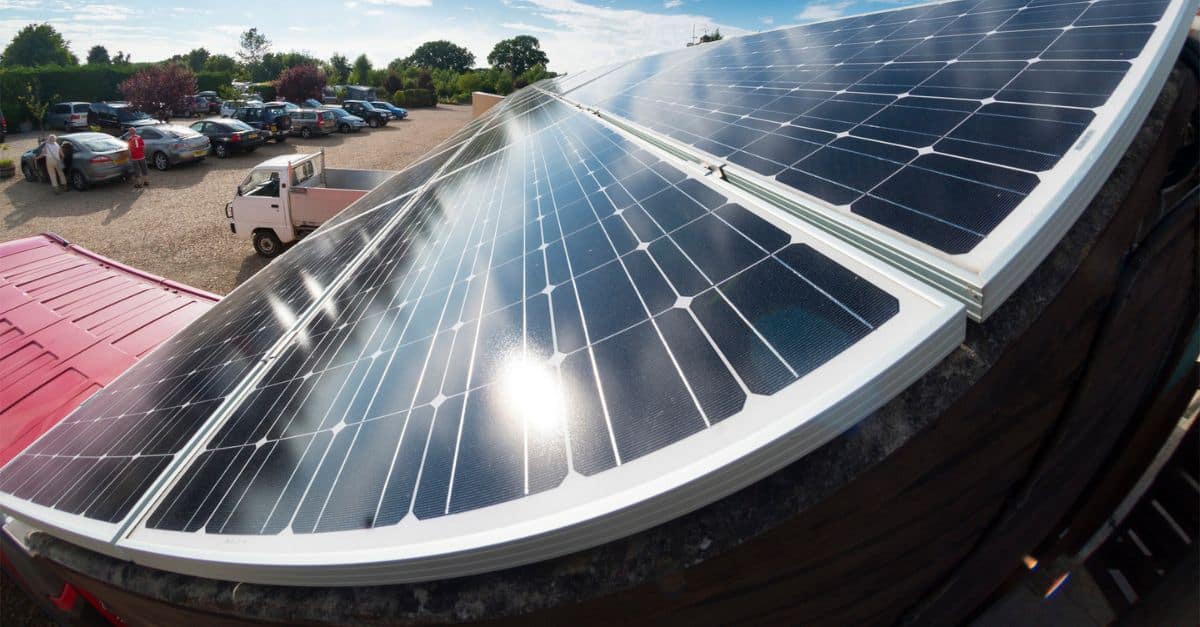
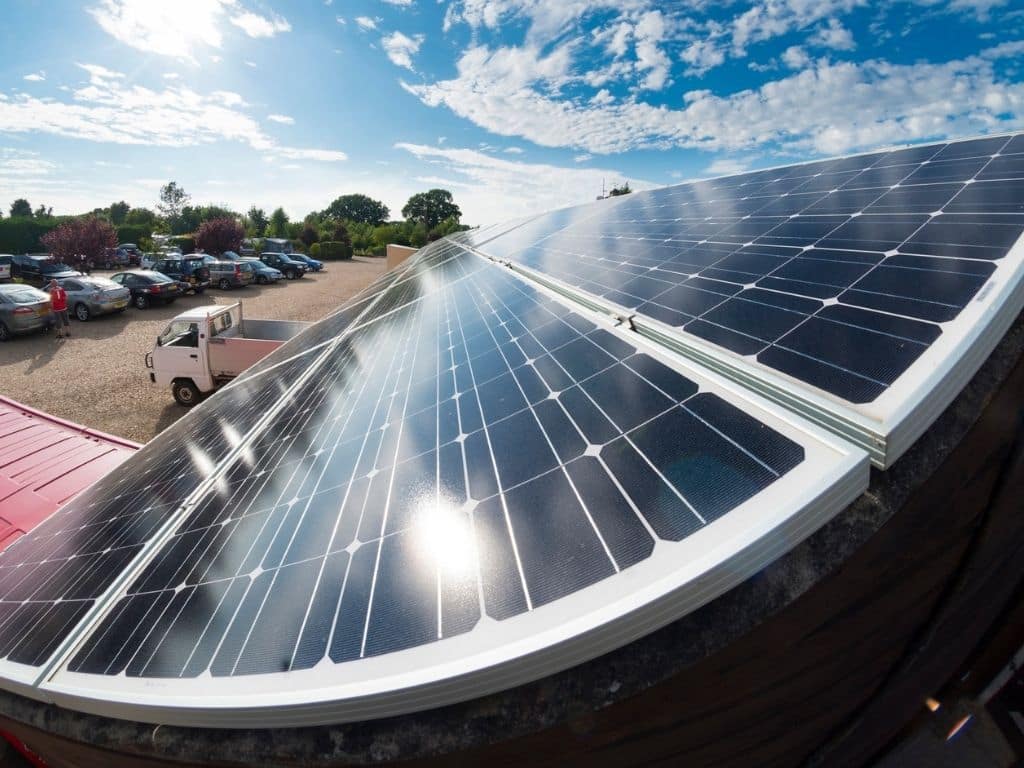
Surrounded by the Mendip Hills AONB and a few minutes walk from the Chew Valley Lake nature reserve, you would expect the Bath Chew Valley Caravan Park team to be enthusiastic about conservation and clean energy. The solar panel arrays on the facilities building can deliver up to 25% of the park’s power requirement through the summer months.
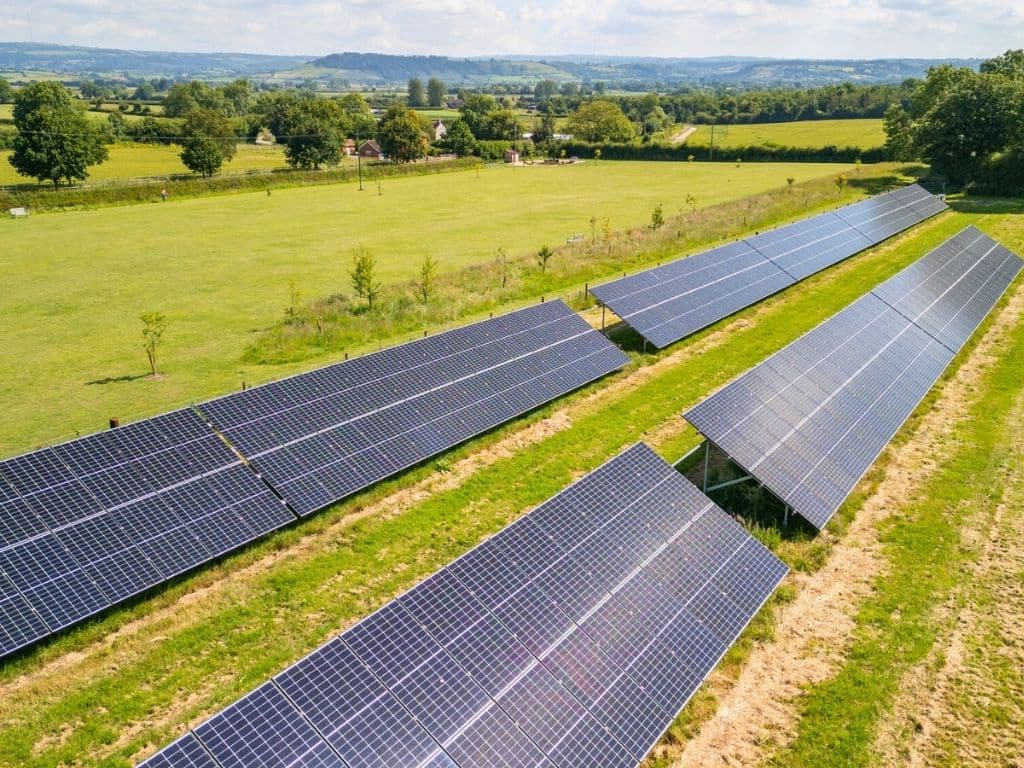
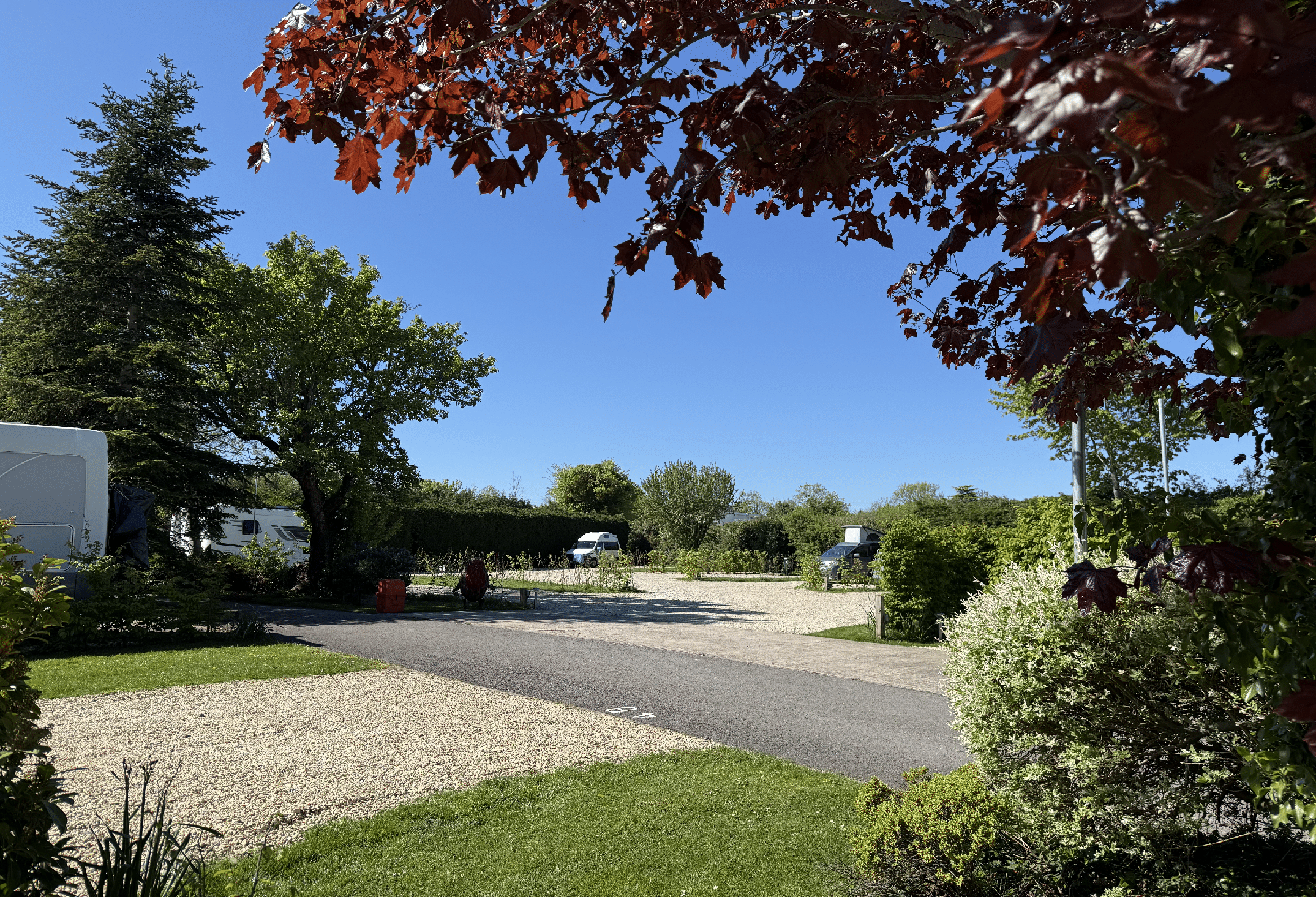
Old Oaks Touring Camping & Glamping Park near Glastonbury in Somerset has kept ecology very much at the forefront of its development with the aim of minimising the park’s impact on the environment. This large solar installation was completed a couple of years ago.
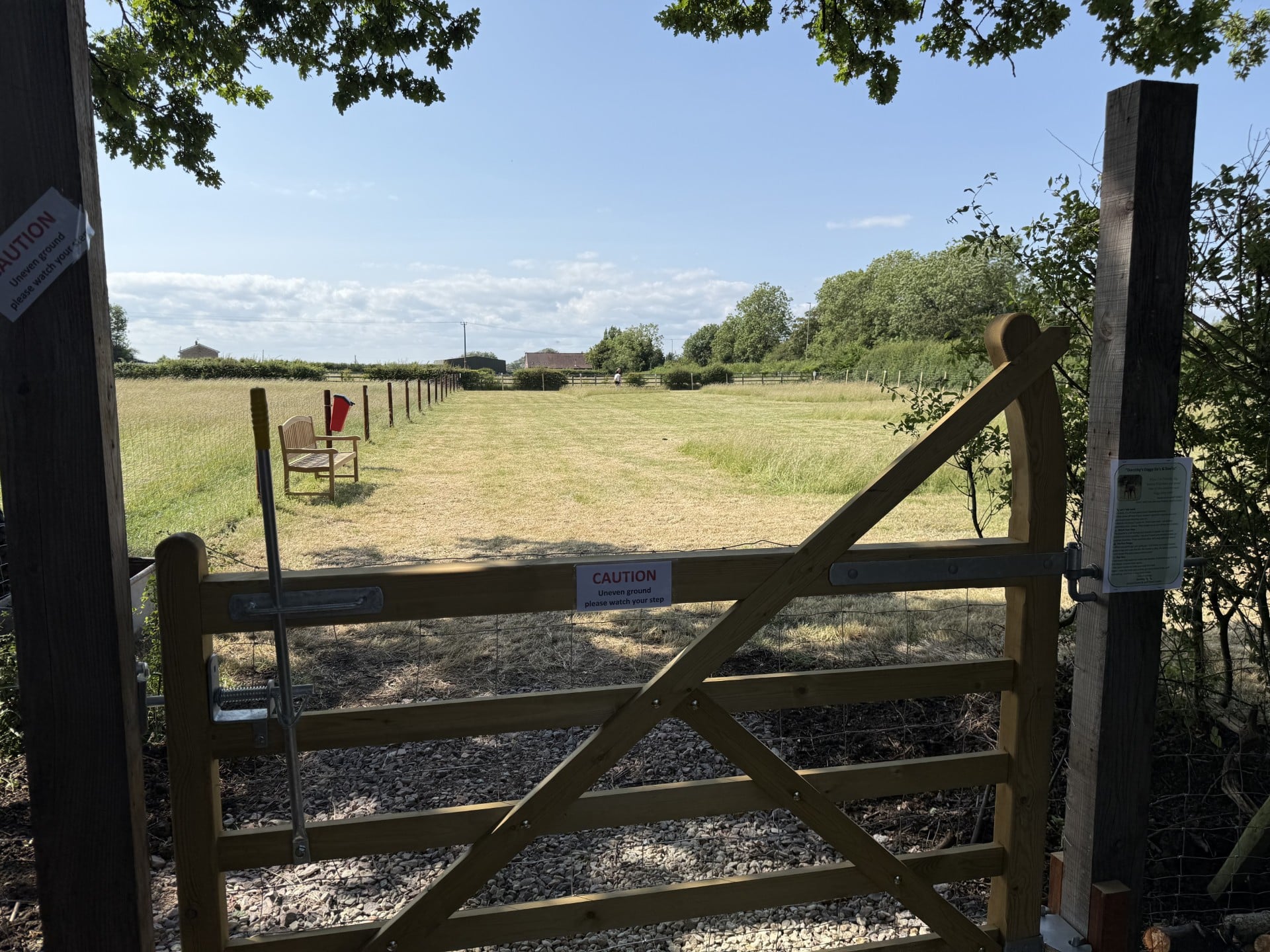
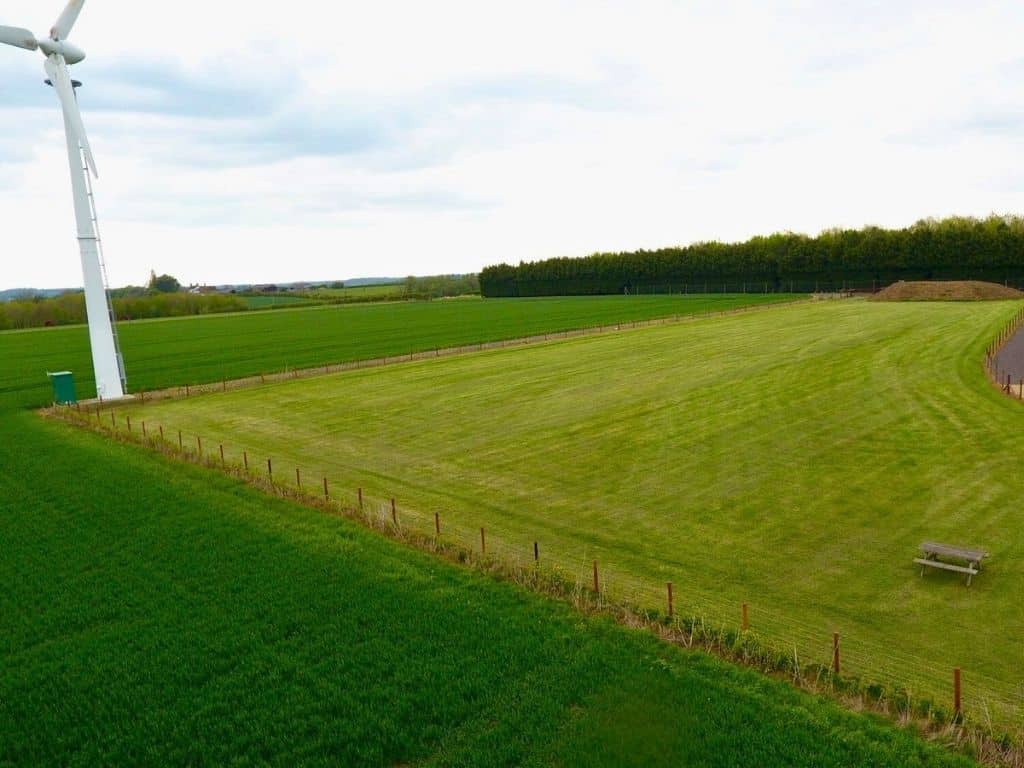
Eye Kettleby Lakes is constantly reviewing its working environment to find ways to reduce its carbon footprint. Its wind turbine was built in 2013 and the electricity it generates is piped down to the caravan park. It stands by what is now the Southern Meadows dog enclosure and generates up to 145,000 KW per year.
The Farm building has been lined with 300 solar panels. This electricity gets used to heat up a huge tank which supplies hot water to the hot tubs and light up the clubhouse.
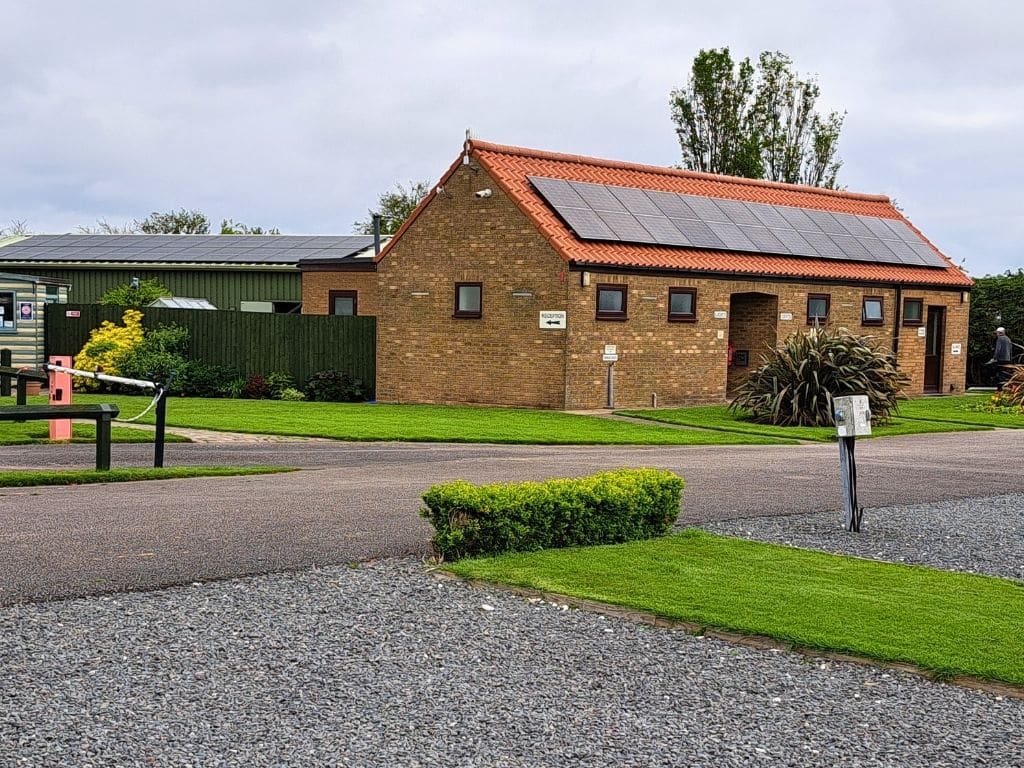
Cherry Tree Springs near Sutton on Sea in Lincolnshire recently announced that it had completed the initial phase for generating clean electric energy from solar panels, with a workshop installation now in operation. Phase 2 will see some further solar panels on the central facilities block roof.
Yr Helyg / The Willows on the Llyn Peninsula in North Wales is pleased to announce that it has recently been successful in its planning application for solar panels on site. They are not sure when the project will start, but they are certain that it will be an asset to the site and of great benefit all round.
Most people are now familiar with electric garden tools powered by rechargeable batteries rather than petrol or other fuel. Some parks are using solar power to charge them. For our guests, these electric mowers, strimmers, leaf blowers and chainsaws have the added advantage of being much quieter!

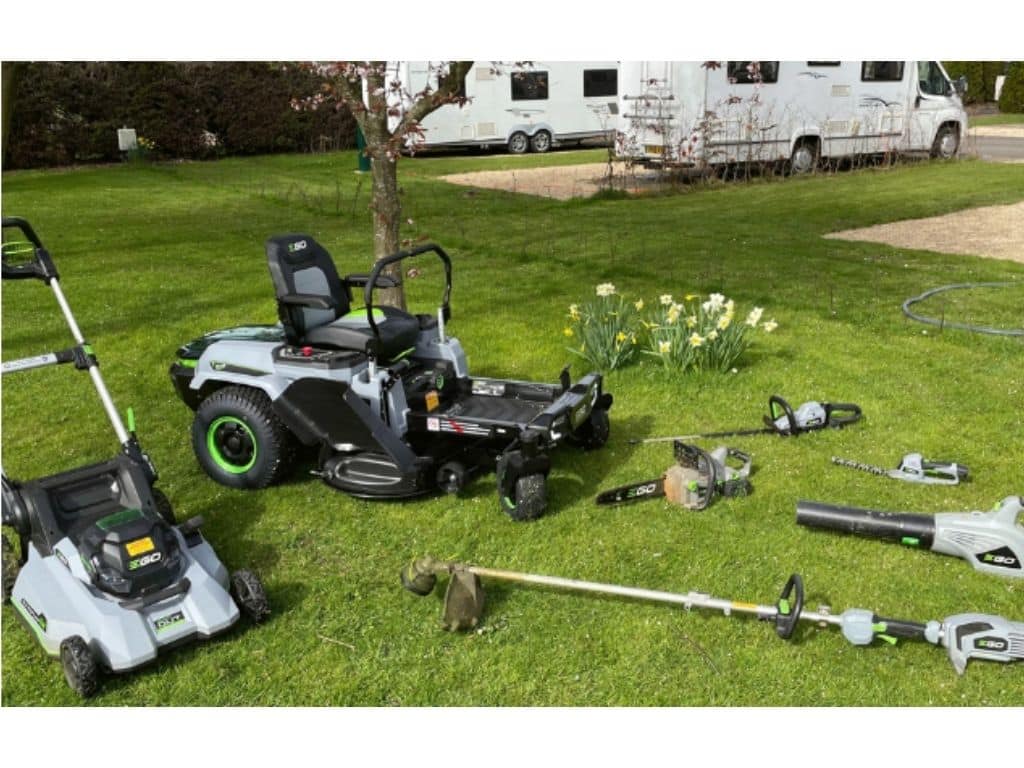
Briarfields Motel and touring park went completely electric for its maintenance kit and vehicles back in 2022 (shown here laid out on the grass). Since then, Old Oaks Touring Camping & Glamping Park has introduced 3 robot mowers, while South Wales Touring Park has a new robotic member of staff known as ‘Trevor the Trimmer’. It’s a very different piece of equipment to the ride-on mower that the owner, Hywel, is used to, as shown above.
Several parks have recently had to introduce metered electricity on electric hookups following the massive hike in energy costs of more than 300% in some cases. It’s not a decision anyone has taken lightly or willingly, but it’s likely to become more widespread.
Thinking about our energy consumption is the first step to conserving it. Overbrook Caravan Park in Thornton le Dale, Yorkshire, found that unit consumption dropped by 37% following the introduction of metered electric last season!
The introduction of meters on pitches can be controversial. And while some may think that this is simply a money-making exercise (even though electricity cannot be resold at a profit) we can assure you that this a vital step to ensure the sustainability of many small businesses.
Where meters have been introduced, a certain amount of electricity is included in the pitch fees, so you may not need to purchase extra electricity. You can expect a refund for prepaid electricity that you do not use.
You will now find electric meters on pitches at several parks and we have included links to informative pages on their websites about how metering works.
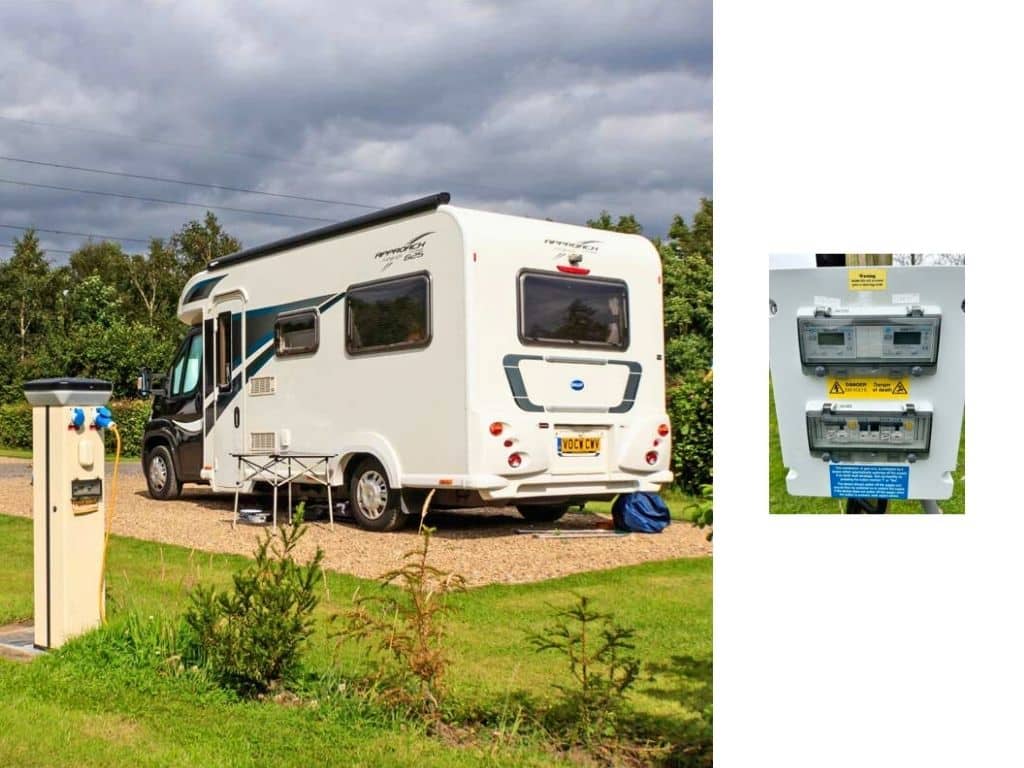
Parks with metered electric: South Wales Touring Park; Groobys Pit; Three Castles Caravan Park; Wolds View Touring Park; Red Kite Touring Park – see the park’s useful info; York Caravan Park (shown on the left) – see How do campsite smart meters work?; Daisy Bank Caravan Park in Powys, Wales (shown on the right) – see FAQs on meters; and Overbrook Caravan Park by the North York Moors – see How does an electric meter work?
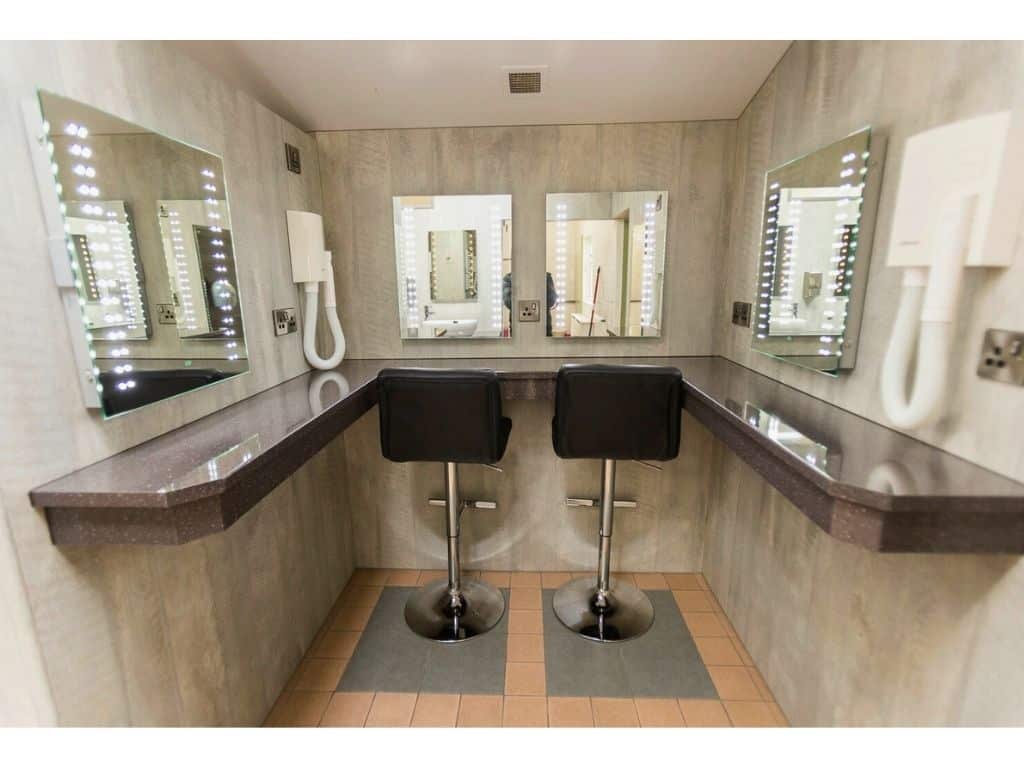
You will probably have noticed that many of the facilities buildings have air source heat pumps, low energy LED lighting and lights run by sensors that detect when the building is in use.
Old Oaks Touring Camping & Glamping Park has used the latest efficient technologies for its shower block (shown here) including solar thermal hot water system, heat recovery system, air source heat pump, very low energy LED lighting and much more.
South Wales Touring Park has plans to install air source heat pumps, additional battery storage packs and additional solar panels for the shower and toilet block. The work is due to start in late autumn.
Back of Beyond Touring Camping & Glamping Park in Dorset is one of the parks that collect rainwater. This park tries to harvest as much rainwater as possible to water the planters and hedgerows.
Blue Rose Country Park in East Yorkshire has solar powered self watering plant troughs around the park. The troughs save water by automatically recycling it and reducing the need for topping up.
Push button showers are certainly not new, but they have become more necessary as we become more aware of the need to use resources sparingly.
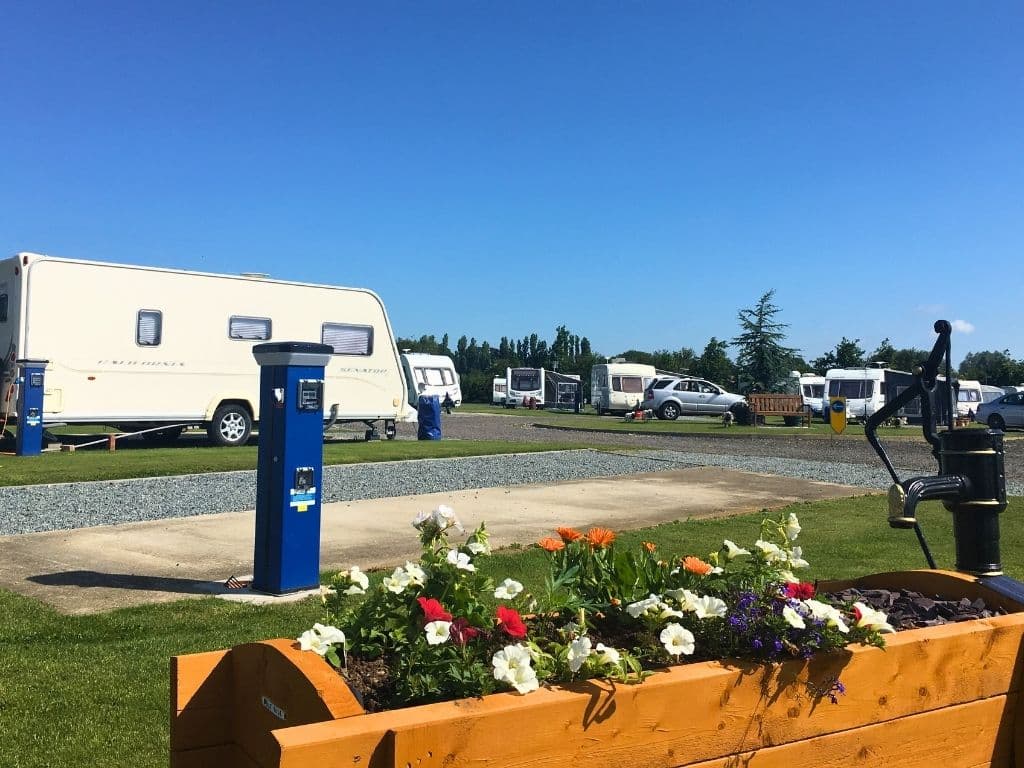
Several parks have published Environmental Policies which show the measures they are taking to reduce their carbon footprint and how you can support them. Ways to help include:
For more ideas see these parks’ Environmental Policies:
Background information: